Food, Ritual & Belief
In Taiwan, food is rarely just food. It carries medicine, superstition, and celebration — from the month a new mother spends recovering to the snacks left on top of a photocopier.
Postpartum confinement: Zuoyuezi(坐月子)
In Taiwan, new mothers traditionally observe a month-long period of rest and recovery after childbirth known as zuoyuezi, or “sitting the month.” During this time, specific warming foods are prepared — often sesame oil chicken, pig’s kidney soup, and glutinous rice with wine — designed according to Chinese medicine principles to replenish the mother’s qi and blood. This practice is taken seriously enough that dedicated postnatal centres(月子中心) exist across the island, offering full residential care and chef-prepared zuoyuezi meals, and are a significant industry. Visitors curious about Taiwanese food culture will find that this tradition reveals much about the relationship between food and medicine that underpins much of everyday Taiwanese eating.
Kuai Kuai(乖乖): Snacks as Offerings to Machines
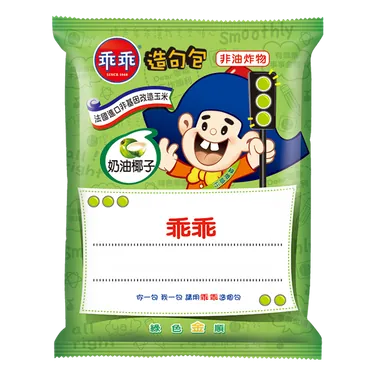
Kuai Kuai is a brand of corn puff snacks whose name means “well-behaved” or “obedient.” It has become widespread practice in Taiwanese offices and server rooms to place a packet of Kuai Kuai — ideally green packaging, the colour of smooth operation — on top of computers, servers, printers, and ATMs as a semi-superstitious offering to keep the machines running without fault. The custom is half-joking and half-sincere, observed in banks, hospitals, and tech companies alike, and reflects Taiwan’s easy blending of pragmatism with folk belief. If you see a packet of corn puffs sitting on a photocopier, you now know why, and please, don’t eat it!
Taiwanese Festivals Are Mostly About Food
A striking feature of Taiwan’s calendar of religious and seasonal festivals is that almost every one of them has a defining food associated with it: glutinous rice dumplings (粽子) for Dragon Boat Festival, mooncakes(月餅) and, increasingly, a whole-island barbecue for Mid-Autumn Festival, tāngyuán(湯圓) for Lantern Festival, sticky rice cakes (年糕) for Lunar New Year, and so on. The list runs well past the famous four. Tomb-Sweeping Day in April brings 潤餅, thin wheat wrappers rolled around cabbage, egg and sweetened peanut powder. The winter solstice in December brings tāngyuán again, this time small and unfilled, and eating them is said to add a year to your age. As for fruits, Mid-Autumn is also pomelo season, and children traditionally wear the hollowed rind as a hat. Ghost Month in the seventh lunar month fills supermarkets with pallets of crisps and instant noodles bought as offerings for wandering spirits at 中元普渡. Even the reunion dinner on Lunar New Year’s Eve is a menu of puns: fish(魚) for surplus, radish(菜頭) for good omens, and the long mustard green 長年菜 eaten uncut for long life. Food is not merely incidental to these celebrations but is often the central act of commemoration — made at home, shared with relatives, or offered at temple altars in tradition. Asking a Taiwanese person “What do you eat for [festival]?” is invariably a better opening to cultural conversation than asking about the festival’s mythology.