Japanese Colonial Period (1895–1945)
The Qing were defeated in the First Sino-Japanese War(甲午戰爭), and under the Treaty of Shimonoseki signed in April 1895, Taiwan was ceded in perpetuity to Japan. A short-lived Formosa Republic was declared in resistance but suppressed within months. The Japanese colonial period that followed lasted fifty years and left a profound imprint on the island that is still visible and felt today.
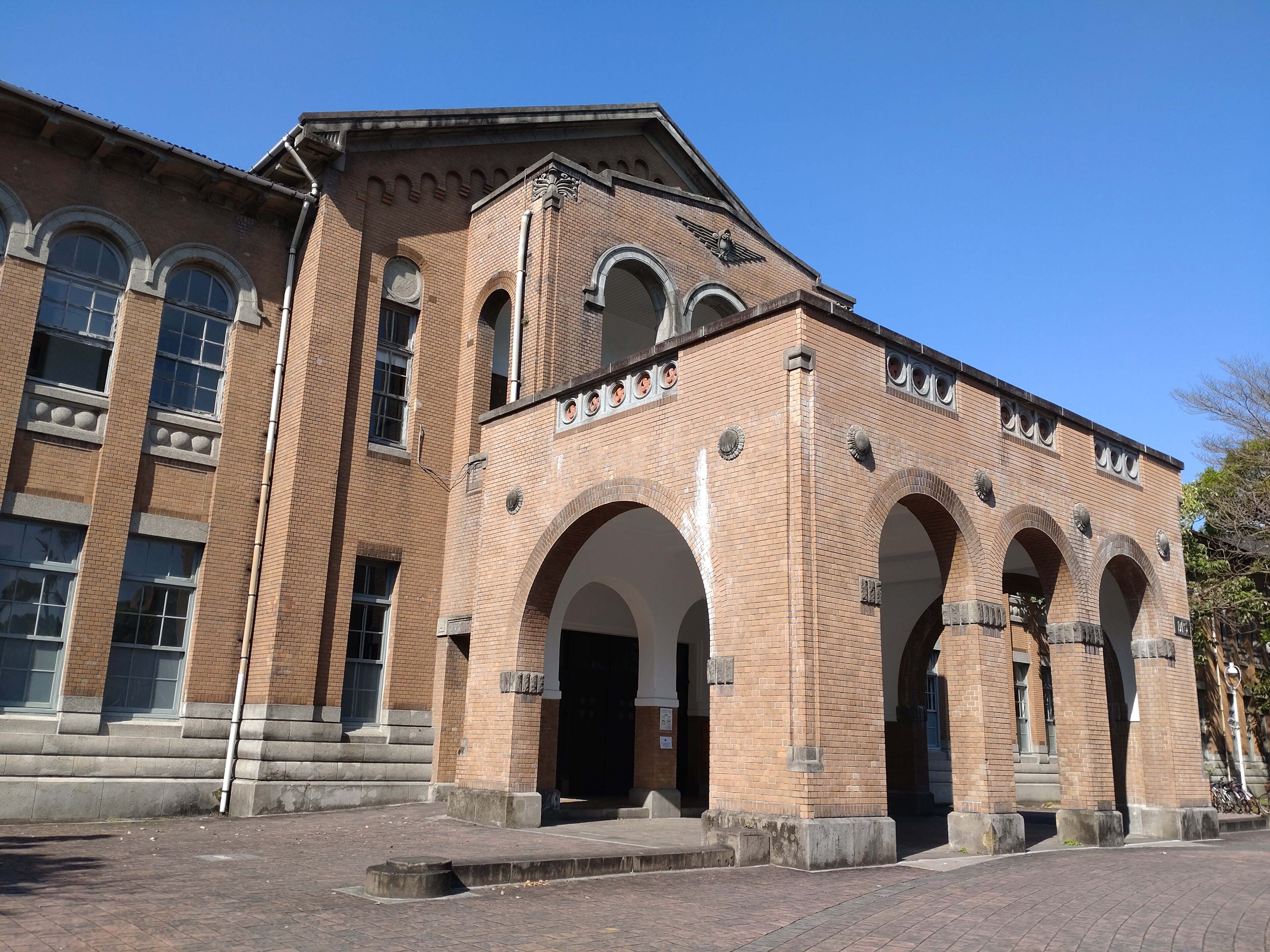
Japan invested heavily in Taiwan’s infrastructure: railways, roads, ports, irrigation systems, and public health improvements effectively transformed the island into a modern society. Japanese architectural styles remain a significant feature of the built environment: the Presidential Office Building, the National Taiwan Museum, and countless government buildings, hospitals, and schools across the island date to this era. Japanese governance was often harsh — indigenous peoples faced particularly brutal pacification campaigns — and a Taiwanese identity distinct from both the coloniser and the mainland Chinese began to crystallise during this period.
For many Taiwanese, the Japanese period is remembered with considerable ambivalence. The brutality is acknowledged; so is the modernisation. Japanese cultural influence on Taiwanese food, architecture, manners, and aesthetics remains visible and, to an extent that surprises many Western visitors, is regarded with some warmth rather than purely as a colonial wound.