Democratisation and Contemporary Identity
The lifting of martial law in 1987 and the subsequent decades of democratisation transformed Taiwan into what is today a vibrant democracy. The first direct presidential election was held in 1996, conducted under the shadow of Chinese military exercises in the Taiwan Strait. Since then, Taiwan has undergone multiple peaceful transfers of power between political parties, developed a free press, legalised same-sex marriage in 2019 (becoming the first place in Asia), and established a robust civil society.
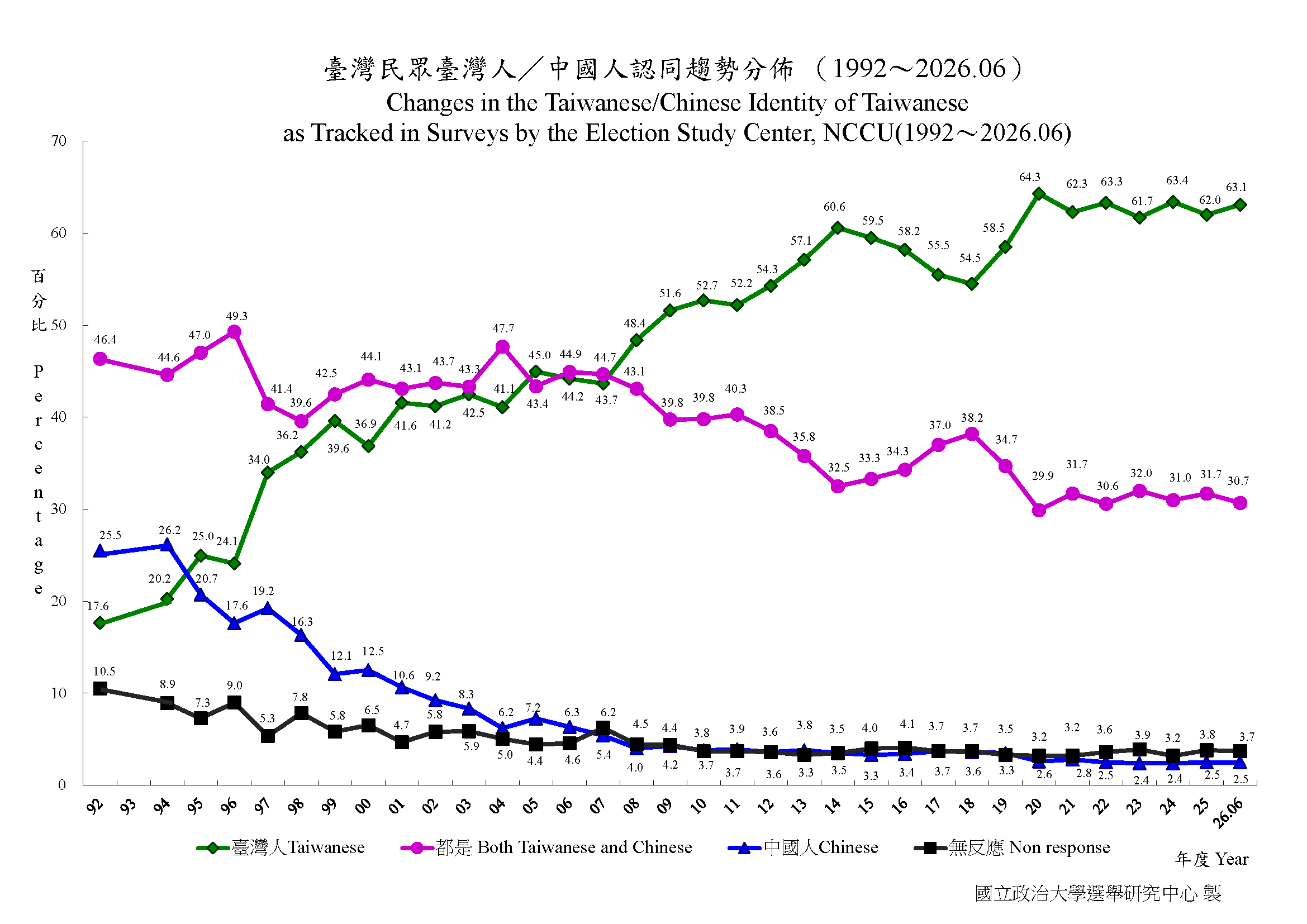
Contemporary Taiwanese identity is layered and contested in ways that visitors often find fascinating. The question of whether Taiwan is or should be a fully independent nation, whether it should maintain the current ambiguous status quo, or whether some form of eventual unification with the mainland is desirable, remains the defining fault line of Taiwanese politics. Surveys consistently show that a majority of Taiwanese people identify primarily as Taiwanese rather than Chinese, though the proportions and definitions shift throughout time. Younger generations identify as Taiwanese at even higher rates.