Who Are the Indigenous Peoples of Taiwan?
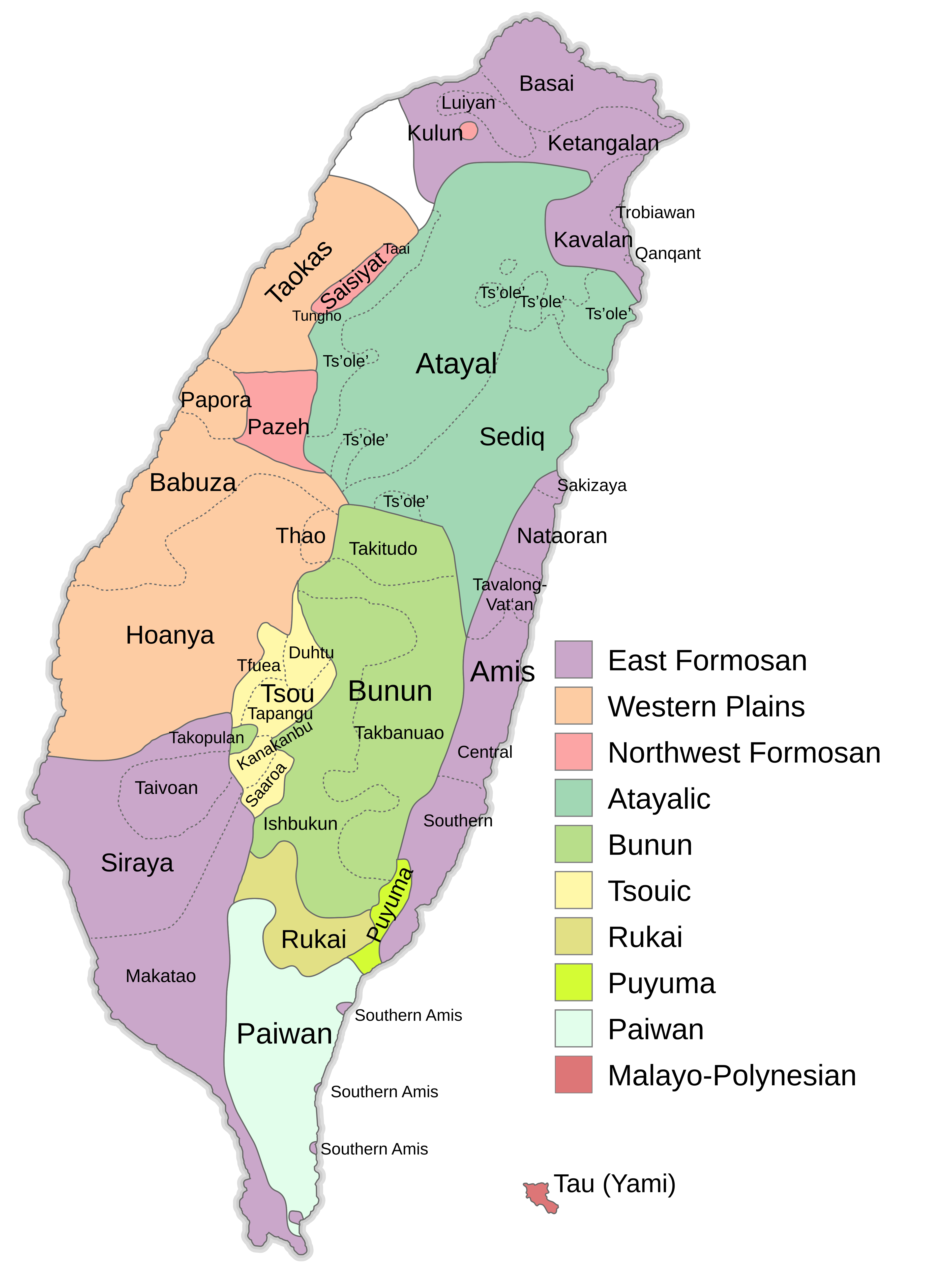
The sixteen officially recognised groups are: the Amis (Pangcah), Atayal, Paiwan, Bunun, Truku (Taroko), Puyuma, Rukai, Tsou, Saisiyat, Tao, Thao, Kavalan, Sakizaya, Seediq, Kanakanavu, and Hla’alua. Of these, the Amis are by far the largest group, numbering approximately 200,000 people, predominantly on the east coast around Hualien and Taitung. Each group has its own language, cultural practices, social structures, and traditions, though there are broad commonalities within language groupings.
The distinction between the peoples of the western plains (Píngpǔzú, or “plains peoples”) and the mountain and eastern peoples (Gāoshān zú, or “highland peoples”) is also important. The plains peoples — groups such as the Siraya, Babuza, and others — were subject to much earlier and more intensive contact with Han Chinese settlers and have largely lost their distinct cultural practices and languages, though there are active revival movements. The highland and eastern peoples generally retained their territories and cultural practices to a greater degree, particularly those in the Central Mountain Range and on the east coast.