Kinmen National Park 金門國家公園
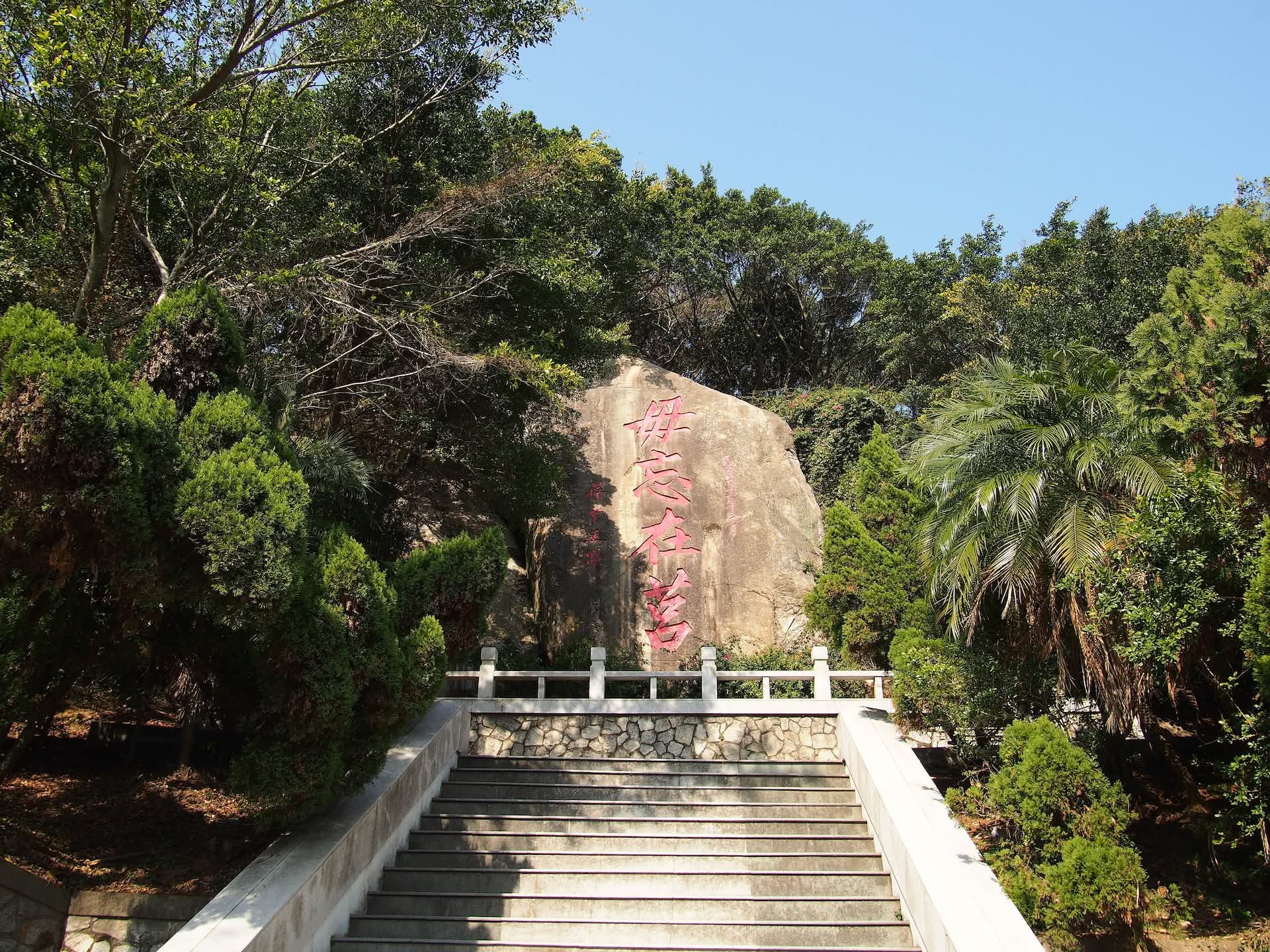
Location: Kinmen Island and surrounding islets, off the coast of Fujian Province, China
Established: 1995
Kinmen occupies a different category entirely from Taiwan’s other eight national parks. It is not primarily a natural park — it is a cultural and historical one. The island sits just 10 kilometres from the Chinese city of Xiamen, in the Taiwan Strait, and spent decades as a heavily militarised frontline in the standoff between the Republic of China government in Taiwan and the People’s Republic of China on the mainland.
The Battle of Guningtou in October 1949 was the decisive engagement in which ROC forces repelled a People’s Liberation Army amphibious assault, halting the communist advance towards Taiwan. Over the following decades, Kinmen was shelled heavily — most intensively during the Second Taiwan Strait Crisis in 1958 — and remained under military administration until the mid-1990s. The national park was established in 1995, shortly after demilitarisation, covering 3,780 hectares across five areas of the island.
Because Kinmen was effectively sealed from civilian development for over forty years, it preserved what much of Taiwan lost: intact Fujian-style architecture, traditional villages, ancestral halls, and a landscape relatively undisturbed by industrialisation.
What to look for:
The Guningtou Battle Museum(古寧頭戰史館) documents the 1949 battle with genuine historical depth; M5A1 tanks from the engagement stand outside. Qionglin Village(瓊林) is one of the best-preserved traditional settlements in Taiwan, with red-brick swallowtail-roofed houses, ancestral temples, and an underground tunnel network built by villagers during the Cold War for shelter from shelling. The Wind Lion God(風獅爺) statues scattered across the island are guardian figures unique to Kinmen and Matsu, believed to protect against the fierce island winds.
Kinmen is also known for its sorghum liquor, Kaoliang(高粱酒), produced from locally grown sorghum and sold at strengths up to 63%. The knives forged from PLA artillery shells fired during the 1958 bombardment are one of the island’s more unusual souvenirs. Birdwatching is surprisingly good: over 319 species have been recorded, drawn by the island’s wetlands and low human impact.
The experience of standing in a traditional village courtyard while the skyscrapers of Xiamen are visible on the horizon is one of the more disorienting and thought-provoking things a visitor can encounter in this part of the world.
Who it suits: History and military history enthusiasts, architecture and cultural heritage travellers, birdwatchers, and those curious about the Taiwan Strait’s geopolitical context from the ground.