Reading the Roads: How Taiwan's Road System Works
When you ride a scooter in Taipei or rent a car for a west-coast drive, you will quickly encounter numbered road signs in green, blue, and red. Unlike the name-based street conventions most Western visitors are used to, Taiwan’s road network operates on a structured numbering logic that, once understood, becomes a genuinely useful navigation tool — one that tells you not just which road you are on, but roughly which direction it runs.
Four tiers, one system
Taiwan classifies its public roads into four administrative tiers, each with its own number range, sign colour, and governing body.
National highways(國道) are fully controlled-access freeways. They are the backbone of inter-city travel: long-distance, high-speed, and tolled via electronic ETC gantries (no toll booths). You cannot enter on foot, by bicycle, or on most motorcycles. Think of these as Taiwan’s equivalent of a motorway or interstate. They are marked by a white flower-shaped sign with a green outline.

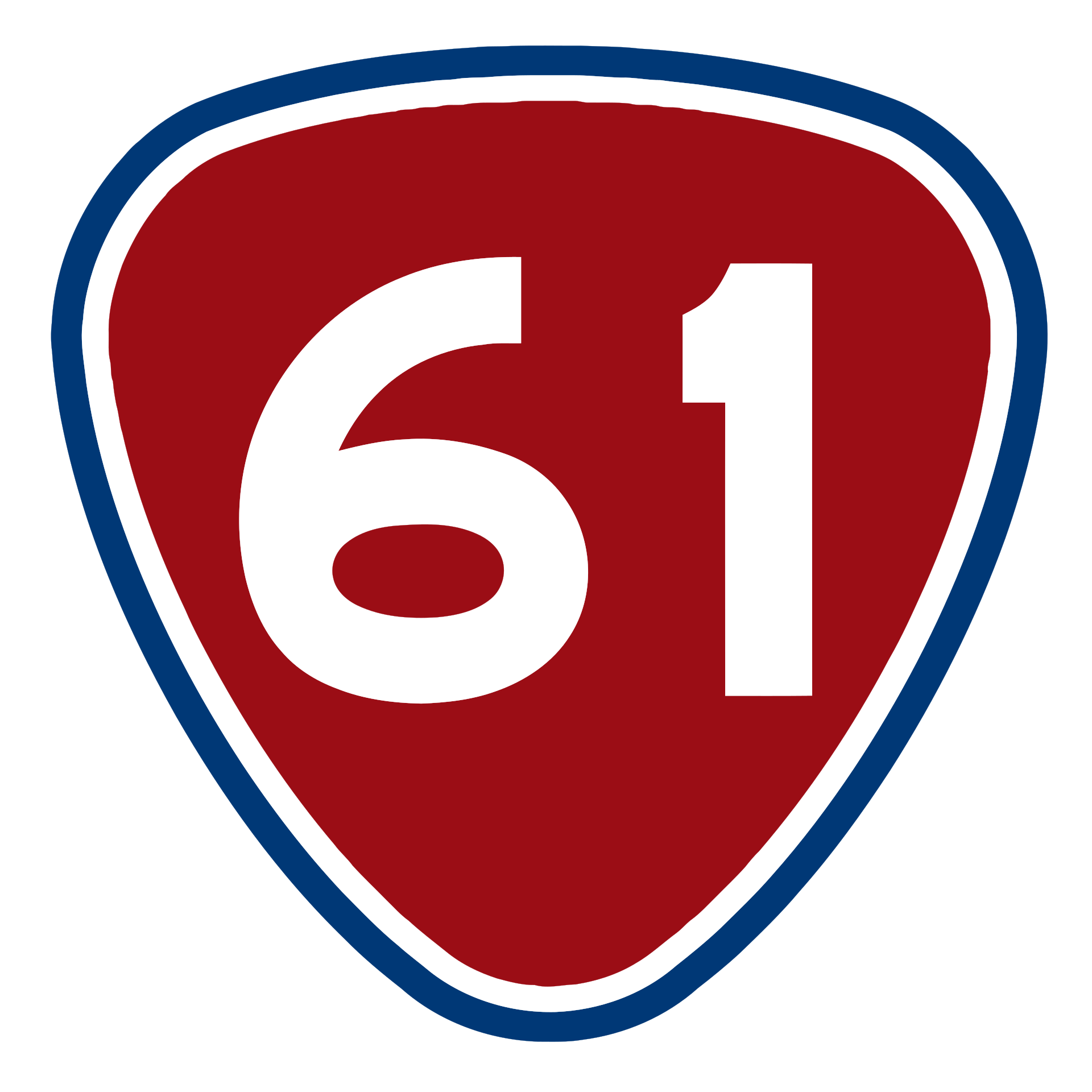
Provincial highways(省道) form the next tier down. They are split into two groups: ordinary provincial highways, which connect counties and major towns across the island, and expressways, which are faster, partially access-controlled roads built largely to relieve pressure on the freeways. Despite the name, provincial highways are now formally called “Taiwan highways” — the term “provincial” lingers in common speech because Taiwan Province was effectively frozen as an administrative entity in 1998. These roads are identified by a blue shield sign.

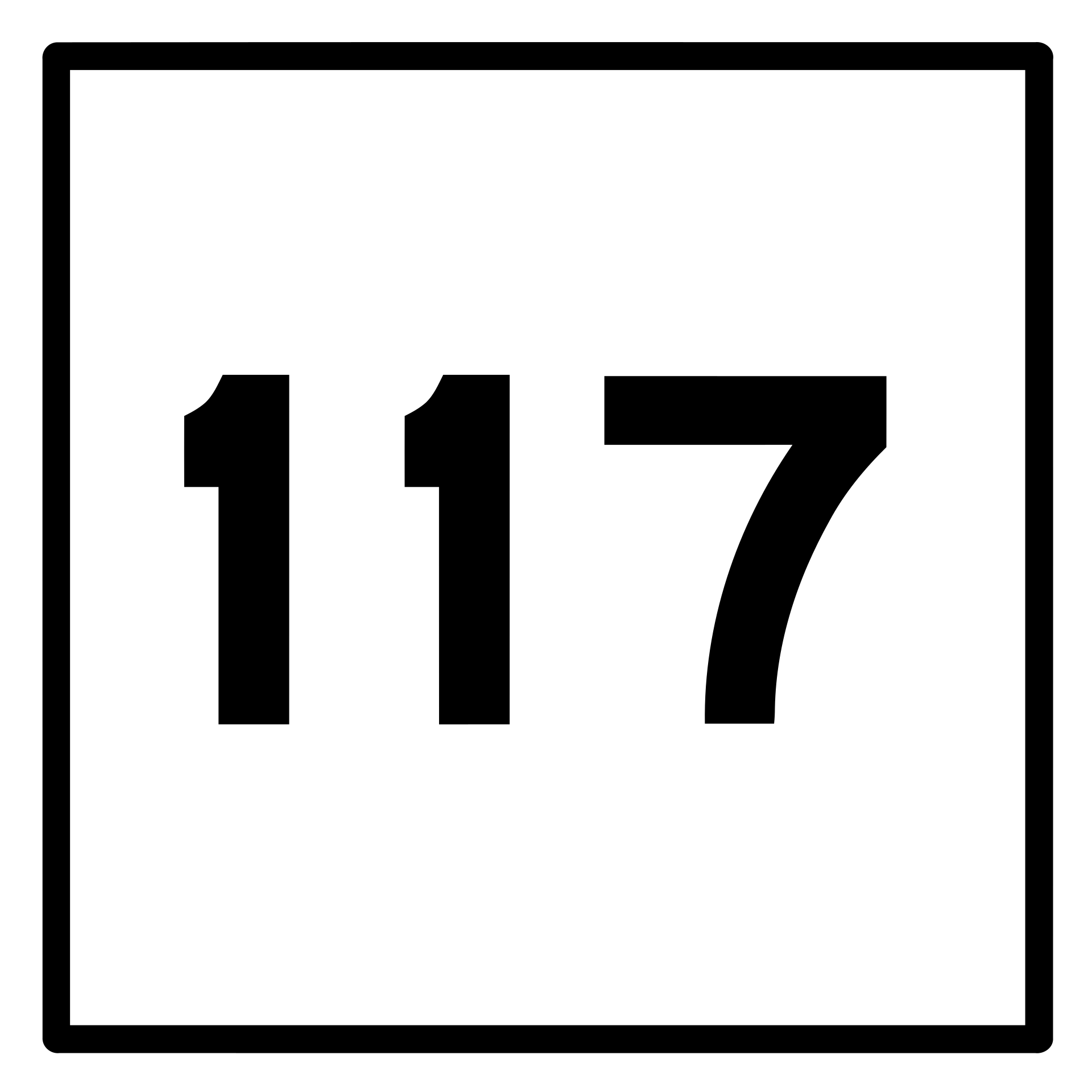
County and city highways(縣道/市道) connect county seats with major townships and are marked by a white square with black numerals.
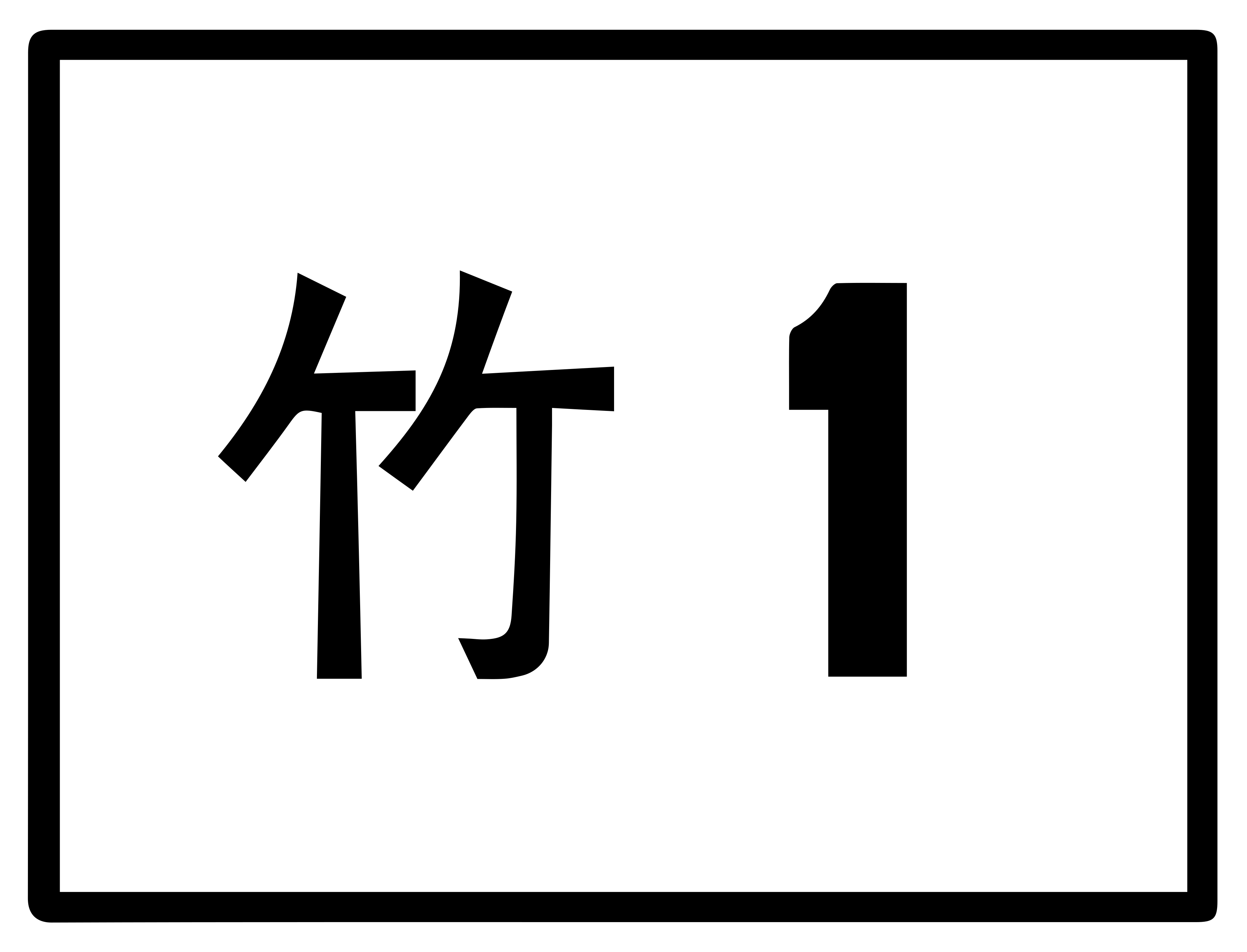
Township and district roads(鄉道) sit at the base of the hierarchy. Rather than a national number, each is prefixed with an abbreviation of its home county or city followed by a local number — for example, 苗19(Miáo 19) is a township road in Miaoli County. These are the roads that take you into villages, up mountainsides, and through rice fields. They are often narrow and unmarked in English.
The odd–even rule
The most practically useful thing to know about Taiwan’s road numbering is the directional convention that runs across all tiers: odd numbers run north–south, even numbers run east–west. Numbers also increase moving from west to east and from north to south.
This means that if you see a sign for Provincial Highway 9, you know it runs along the length of the island (it does — from Taipei all the way down the eastern side to Pingtung). Provincial Highway 8, the Central Cross-Island Highway, cuts east–west through the Central Mountain Range. National Highway 1 and National Highway 3 are the two great north–south freeways; National Highways 4, 6, 8, and 10 are short east–west connectors linking them in their respective regions.
The rule has exceptions — branch routes (suffixed with a Heavenly Stem character in Chinese, rendered as A, B, C in English, such as Highway 3A(3甲) or Highway 61A(61甲)) may deviate from the direction implied by the parent number — but it holds reliably enough to be a mental compass when you are reading a map or a sign in a hurry.
A note on terminology
You will see the words “freeway”, “expressway”, and “highway” used loosely in English translations. In Taiwan’s formal classification, only national highways are freeways (fully controlled access). Provincial highways numbered 61–88 are expressways (partially controlled). Everything else is simply a highway or road. The distinction matters when you are wondering whether a road is accessible by your vehicle type.