Central Taiwan
What It Encompasses
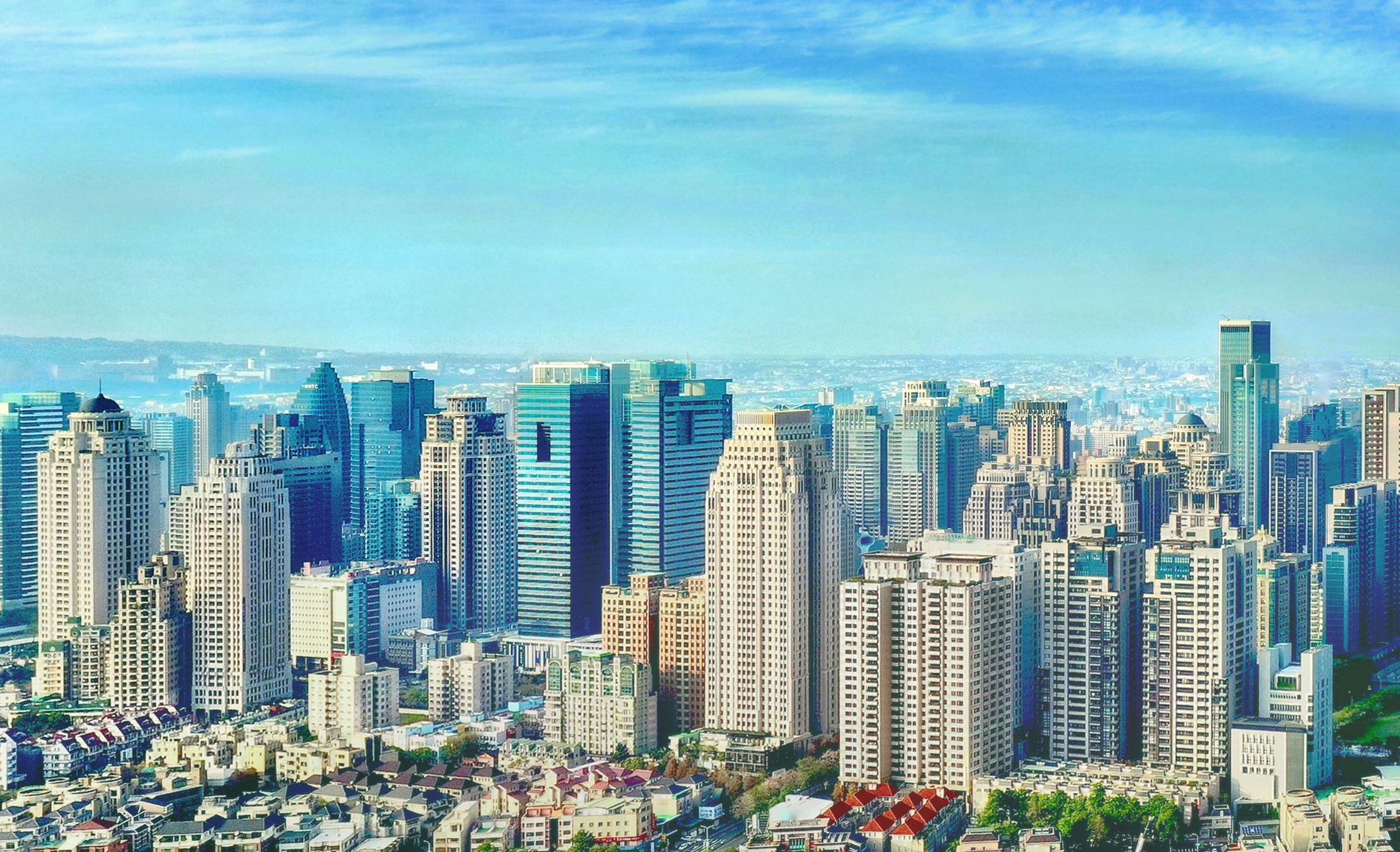
Central Taiwan includes Taichung City, Changhua County, Nantou County, and Yunlin County, and Miaoli County. This region serves as Taiwan’s geographic heart and represents a transitional zone between north and south in multiple respects.
Distinctive Characteristics
Taichung, Taiwan’s second-largest city, embodies a different urban character from Taipei—more spacious, car-oriented, and residential, with a reputation for pleasant weather and a relaxed lifestyle. The city has invested heavily in cultural infrastructure in recent years, with impressive museums and performance venues that rival those in the capital.
Moving inland from Taichung, you encounter Nantou County, Taiwan’s only landlocked county, which contains some of the island’s most celebrated natural attractions. This is where the mountains truly begin to dominate the landscape. Sun Moon Lake, Taiwan’s largest body of water, sits here surrounded by forested peaks and indigenous Thao villages. The high-altitude resort areas of Cingjing Farm offer alpine scenery that feels transported from Switzerland.
Changhua and Yunlin County to the west represents traditional agricultural Taiwan, with its flat plains historically devoted to rice cultivation. This area sees fewer international tourists but offers insights into Taiwan’s rural life and traditional industries.
As for Miaoli County, it is one of the manufacturing centres in Taiwan, and famous for its Hakka culture.
Key Highlights
Central Taiwan excels at providing accessible mountain experiences without requiring serious trekking. Sun Moon Lake offers gentle trails, cycling paths, and cultural sites around its shores, whilst higher-altitude areas like Hehuanshan provide alpine scenery accessible by road. The region also contains important temples like Taichung’s Zhenlan Temple, one of Taiwan’s most significant sites for Mazu worship.
For food enthusiasts, central Taiwan offers distinct culinary traditions. Taichung claims several iconic foods, including sun cakes, bubble tea (which originated here), and a particular style of noodles. The region also produces much of Taiwan’s tea, with plantations scattered across the mountainous areas of Nantou.
Who Should Prioritise This Region
Central Taiwan suits travellers seeking a balance between urban amenities and mountain access. It’s excellent for those interested in Taiwan’s indigenous cultures (the Thao around Sun Moon Lake, the Tsou in Alishan), tea culture, and accessible alpine scenery. Photographers particularly appreciate the region’s misty mountain landscapes.
The region works well for travellers with moderate mobility who want mountain experiences without extreme hiking, and for those seeking to understand Taiwan beyond the Taipei bubble without venturing too far from urban infrastructure.
Climate Considerations
Central Taiwan enjoys more favourable weather than the north, with less rain and more sunshine throughout the year. Taichung is often described as having Taiwan’s best climate—warm and relatively dry, with milder winters than the north (typically 14-24°C) and hot but manageable summers.
However, climate varies dramatically with altitude. Sun Moon Lake sits at about 760 metres and experiences cooler temperatures with frequent mist, whilst high-altitude areas like Hehuanshan (above 3,000 metres) can see frost and occasionally snow in winter. The mountains also create their own weather patterns, with afternoon mist and rain common at higher elevations even when the plains are clear.