Taiwan's Regions Explained
When most travellers think of Taiwan, they picture Taipei’s glittering night markets and perhaps the towering presence of Taipei 101. But Taiwan is far more than its capital city. This small island—roughly the size of Belgium or slightly smaller than Switzerland—contains extraordinary geographic and cultural diversity that rivals nations many times its size.
Understanding Taiwan’s regional divisions isn’t just about knowing which city sits where on a map. It’s about recognising that this compact island encompasses tropical beaches, alpine forests reaching nearly 4,000 metres, volcanic archipelagos, indigenous cultures that predate Chinese settlement by thousands of years, and regional identities shaped by distinct historical experiences. The regional differences you’ll encounter aren’t merely cosmetic; they reflect genuine variations in climate, cuisine, language, pace of life, and even political attitudes.
This guide will help you understand Taiwan’s six main regions so you can make informed decisions about where to spend your time based on your interests, the season you’re travelling, and the kind of experience you’re seeking.
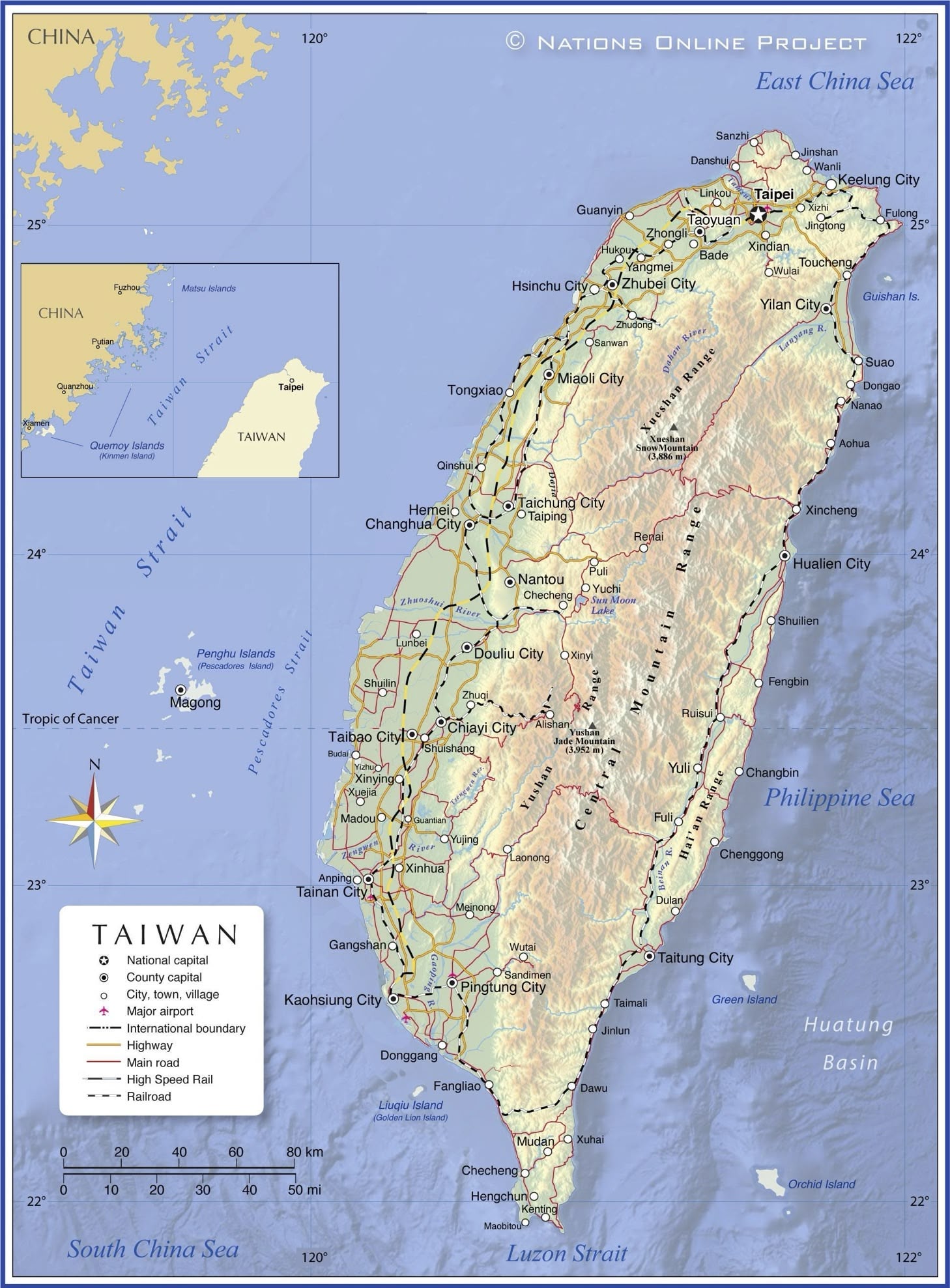
Before diving into the regions, it helps to understand Taiwan’s basic geographic layout. The island stretches approximately 394 kilometres from north to south and about 144 kilometres at its widest point from east to west. A dramatic mountain range, the Central Mountain Range, runs like a spine down the island’s eastern side, creating a natural barrier that has profoundly shaped Taiwan’s development.
This mountain backbone means that most of Taiwan’s population, infrastructure, and economic activity concentrate along the western coastal plains, whilst the eastern side remains comparatively rural and less developed. The mountains themselves aren’t just a backdrop; they form their own distinct region, with peaks reaching above 3,000 metres and ecosystems that shift from subtropical to temperate within a short vertical distance.
Surrounding the main island are several offshore island groups, each with unique geological origins and cultural characters. Understanding this basic geography - western plains, eastern coast, central mountains, and scattered islands - provides the framework for everything else you’ll learn about Taiwan’s regions.
Taiwan is commonly divided into six main regions: North, Central, South, East, Offshore Islands, and High Mountain1. Unlike the rigid administrative divisions you might find on official maps, these regional groupings reflect how Taiwanese people actually think about and experience their island’s geography.
Taiwan’s regional diversity means that no single trip can capture everything the island offers, nor should it try. The travellers who gain the most from Taiwan are those who accept this limitation, choose regions that align with their interests and the season they’re visiting, and explore those areas with enough depth to move beyond surface impressions.
Your Taiwan might centre on food culture in Tainan, hiking in the mountains, indigenous encounters in the east, or urban sophistication in Taipei. It might involve slow travel in a single region or efficient sampling of several. It might prioritise nature over culture, history over modernity, or seek some balance of all these elements.
The framework this guide provides, understanding what each region offers, who it suits, and how regions connect, helps you make these choices deliberately rather than defaulting to a generic itinerary that tries to include everything and satisfies nothing fully.
Taiwan’s small size is simultaneously its limitation and its advantage. You cannot see everything in one trip, but you can genuinely understand a region or two rather than merely passing through. You can have in-depth experiences like hiking a serious mountain, learning about temple festivals, discovering what makes Tainan’s food culture distinctive, rather than collecting superficial impressions of many places.
As you plan your journey through Taiwan’s regions, remember that this guide provides frameworks for decision-making, not prescriptions. The “best” region depends entirely on your interests, the season, your tolerance for language barriers, your outdoor skills, and what you hope to gain from travel. Some travellers never leave Taipei and have rich experiences; others skip the capital entirely and focus on rural Taiwan or the mountains.
What matters is making conscious choices based on understanding what different regions offer, then exploring those places with sufficient time and openness to appreciate their distinct characters. Taiwan rewards this approach with experiences that move beyond the generic Asia trip, revealing an island that’s simultaneously Chinese and indigenous, traditional and modern, densely populated and surprisingly wild.
The regions of Taiwan aren’t just geographic divisions: they’re windows into different aspects of what makes this island distinctive. By understanding them, you position yourself not just to visit Taiwan, but to begin understanding it.
-
Actually it’s more common to divide Taiwan into five regions: North, Central, South, East, Kinmen-Matsu, which Offshore Islands and High Mountain regions are merged into other regions. But here we use six regions since it’s easier to introduce the difference between them. ↩︎