What is a Night Market?
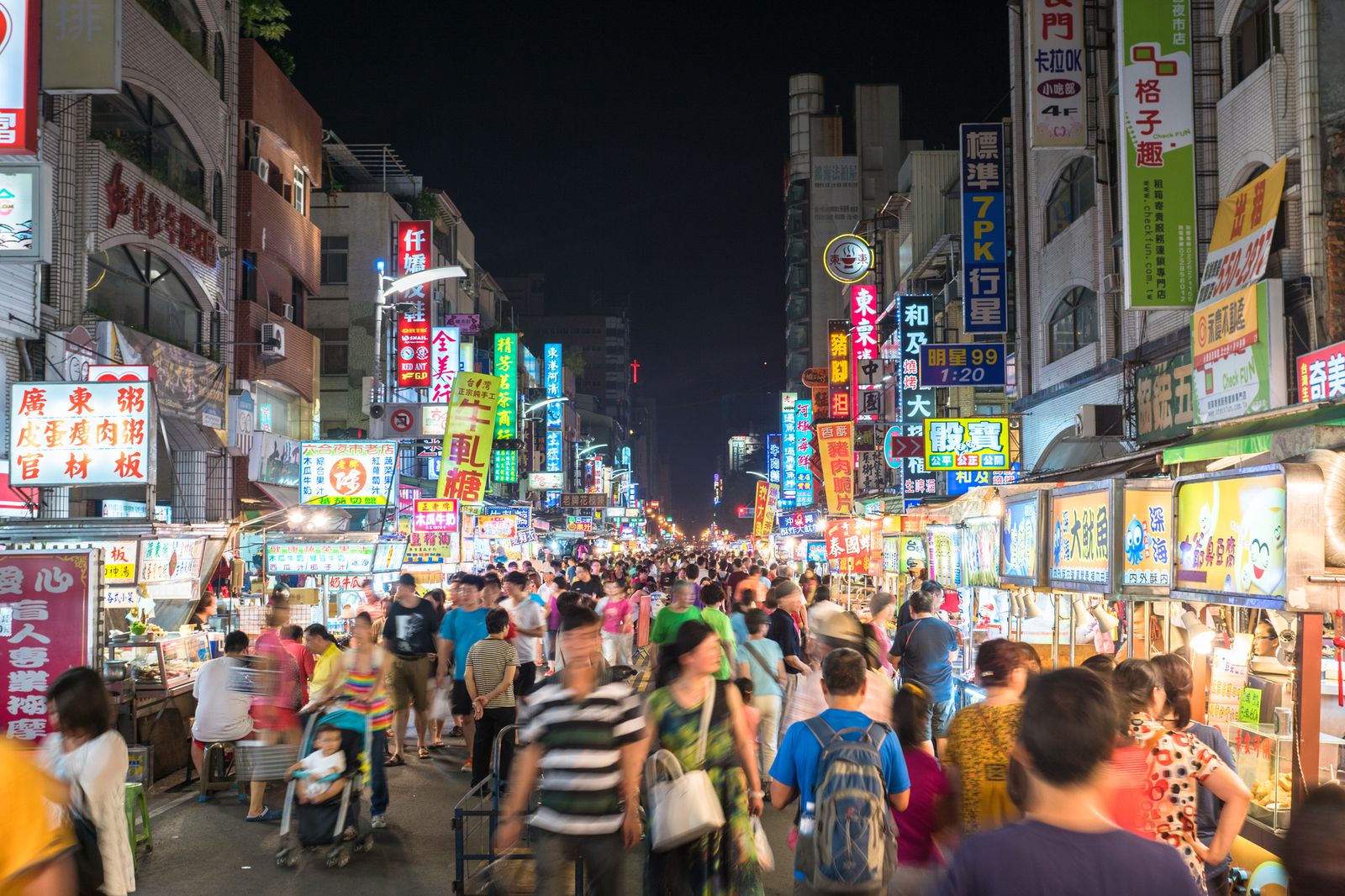
A night market is an open-air marketplace that operates primarily during evening hours, typically from around 5 or 6 PM until midnight or later. Whilst night markets exist across Asia, Taiwan’s iterations have evolved distinctive characteristics that set them apart.
The Taiwanese night market serves multiple functions simultaneously. It operates as a food court, offering everything from substantial meals to experimental snacks. It functions as a shopping district, selling clothing, accessories, household goods, and mobile phone cases with bewildering specificity. It provides entertainment through games of chance and skill. Perhaps most importantly, it acts as a social commons: a place where people of all ages and backgrounds gather not necessarily to purchase anything specific, but simply to participate in collective urban life.
Night markets emerged in Taiwan during the post-war period, though their roots stretch deeper into Chinese market traditions and Japanese colonial-era urban planning. The economic liberalisation and urbanisation of the 1960s and 1970s saw them flourish as entrepreneurial spaces where people with limited capital could start food businesses. Many of today’s successful restaurant chains began as single night market stalls.
What distinguishes Taiwanese night markets from similar phenomena elsewhere is their integration into mainstream culture. They’re not relegated to tourist zones or special occasions but form part of ordinary weekly routines for many Taiwanese people. A family might visit their local night market every weekend; students might stop by after evening classes; office workers might grab dinner there several times per week. This regularity means night markets must maintain quality and value to retain their local clientele: a dynamic that generally benefits visitors as well.
The physical structure varies, but most night markets occupy either dedicated streets that close to traffic during market hours, or permanent covered areas purpose-built for market activities. Some sprawl across multiple streets, creating genuine neighbourhoods of commerce and cuisine. Others concentrate along a single lane. Size doesn’t necessarily correlate with quality or interest: some of the most beloved night markets are relatively compact affairs where every vendor has earned their spot through decades of local patronage.
Different night markets have different characters. Shilin Night Market in Taipei operates primarily as a tourist attraction, which doesn’t mean the food is poor but does mean prices run higher and vendors cater to perceived foreign tastes. Smaller neighbourhood night markets like Nanjichang or Lehua often offer more authentic experiences with less crowding and better value. When choosing which night markets to visit, consider them more like different neighbourhoods with distinct personalities rather than interchangeable experiences.
The practical reality of night market eating involves some discomfort: you’ll be eating whilst standing, navigating crowds whilst carrying food, and struggling to find seating during peak hours. This environment delights some travellers and overwhelms others. If you find night markets exhausting, don’t feel you’re missing essential Taiwan experiences because many excellent xiaochi vendors operate from permanent storefronts where you can eat comfortably.