Types of Night Markets
Not all night markets serve the same purposes or attract the same crowds. Understanding these distinctions helps you select experiences aligned with your interests and tolerance for crowds.
Tourist-Oriented Markets
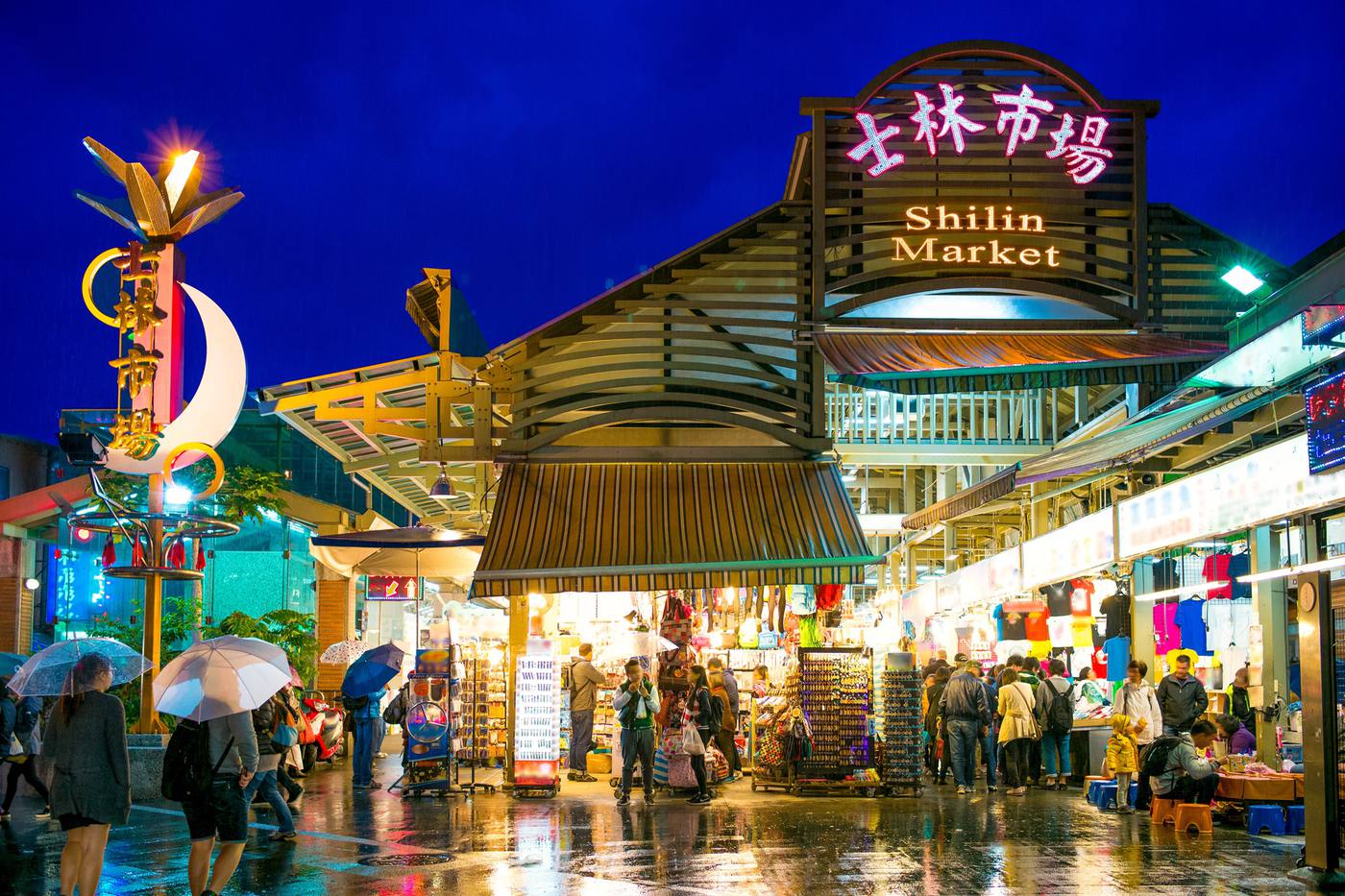
These are the night markets featured in guidebooks, Instagram posts, and government tourism campaigns. They’re typically larger, located in or near major cities, and have adapted their offerings to accommodate international visitors. Shilin Night Market in Taipei exemplifies this category.
Tourist-oriented markets tend to have certain characteristics. Vendor density is high, maximising variety within a given space. Signage often includes English translations or picture menus. The food selection balances traditional Taiwanese dishes with novelty items designed to intrigue: oversized portions, unusual flavour combinations, or photogenic presentations. Prices may be slightly elevated compared to local markets, reflecting both prime locations and the additional cost of accommodating tourists (such as maintaining multilingual menus).
These markets serve an important purpose: they provide a relatively accessible entry point for visitors unfamiliar with Taiwanese food culture or who lack Mandarin language skills. The concentration of famous dishes in one location allows for efficient sampling. The infrastructure, including clearly marked toilets, rubbish bins, and sometimes even seating areas, makes the experience more comfortable for those unaccustomed to eating street food.
However, tourist markets also have limitations. The very adaptations that make them accessible can dilute authenticity. Some vendors optimise for throughput rather than quality, knowing that most customers are one-time visitors. The crowds, especially during peak seasons and weekends, can be genuinely oppressive. And the experience, whilst enjoyable, may tell you more about tourism in Taiwan than about how Taiwanese people actually eat and socialise.
Local Markets
These night markets serve primarily neighbourhood residents. They’re located in residential areas rather than tourist districts, and their vendor mix reflects local preferences rather than guidebook expectations. Every Taiwanese city and many towns have markets of this type: they’re simply part of the urban infrastructure.
Local markets operate according to different economics and social contracts. Vendors often maintain their stalls for years or decades, building relationships with regular customers. Pricing tends to be lower because these markets compete for locals’ limited dining budgets. The food is often less experimental: you probably won’t find colour-changing candy floss or squid tentacles on sticks, but you will find excellent versions of everyday Taiwanese dishes cooked by people who’ve perfected them through repetition.
For visitors, local markets present both opportunities and challenges. The opportunity lies in experiencing night markets as cultural institutions rather than tourist attractions. You’ll observe how Taiwanese people actually use these spaces: watching families navigate vendor selection, witnessing the social interactions between regular customers and vendors, seeing what people eat when they’re not performing for social media. The food is often exceptional precisely because it must satisfy discriminating local palates.
The challenges are practical. English is less commonly spoken. Vendors may be surprised by foreign visitors and uncertain how to communicate. Picture menus are rarer. The unspoken rules that govern queuing, ordering, and eating may be less flexible when you violate them through ignorance. Some vendors may be less willing to accommodate requests for modifications or portions different from standard.
Choosing a local market requires more initiative but often rewards it. Look for markets in areas where you’re staying if you’re in a residential neighbourhood. Observe which stalls have queues of local people (particularly older residents who remember when everything was good). Be prepared to point, gesture, and learn. Accept that you might not always know exactly what you’re ordering - this uncertainty is part of the experience.
Mobile Markets (流動型夜市)
These are travelling markets that set up on specific weekdays in different locations, following a regular circuit. They’re less common than permanent markets but remain important in smaller towns and rural areas that can’t support a nightly market.
Mobile markets operate on schedules that locals know intimately: “Tuesday night market”, “Thursday night market”. The vendors are often the same week to week, travelling their circuit and maintaining customer relationships across multiple locations. This creates interesting dynamics: vendors must be genuinely skilled to justify following them to different locations, and the temporary nature of setup means less infrastructure and greater informality.
For visitors, mobile markets offer a glimpse into small-town Taiwanese life. They’re less crowded than urban markets, more relaxed in pace, and often more affordable. The trade-off is less variety: a mobile market might have 30 stalls rather than 300, and potentially less accommodation for non-Mandarin speakers.
Finding mobile markets requires local knowledge or research. Ask hotel staff or use local resources about market schedules. These markets exemplify the principle that the best experiences often lie off the standard tourist circuit, but reaching them demands more effort and flexibility.