Tea Culture
Taiwan’s tea culture encompasses two distinct but equally important traditions: traditional tea appreciation and the contemporary hand-shaken drink culture that has conquered much of Asia.
Traditional Tea Culture
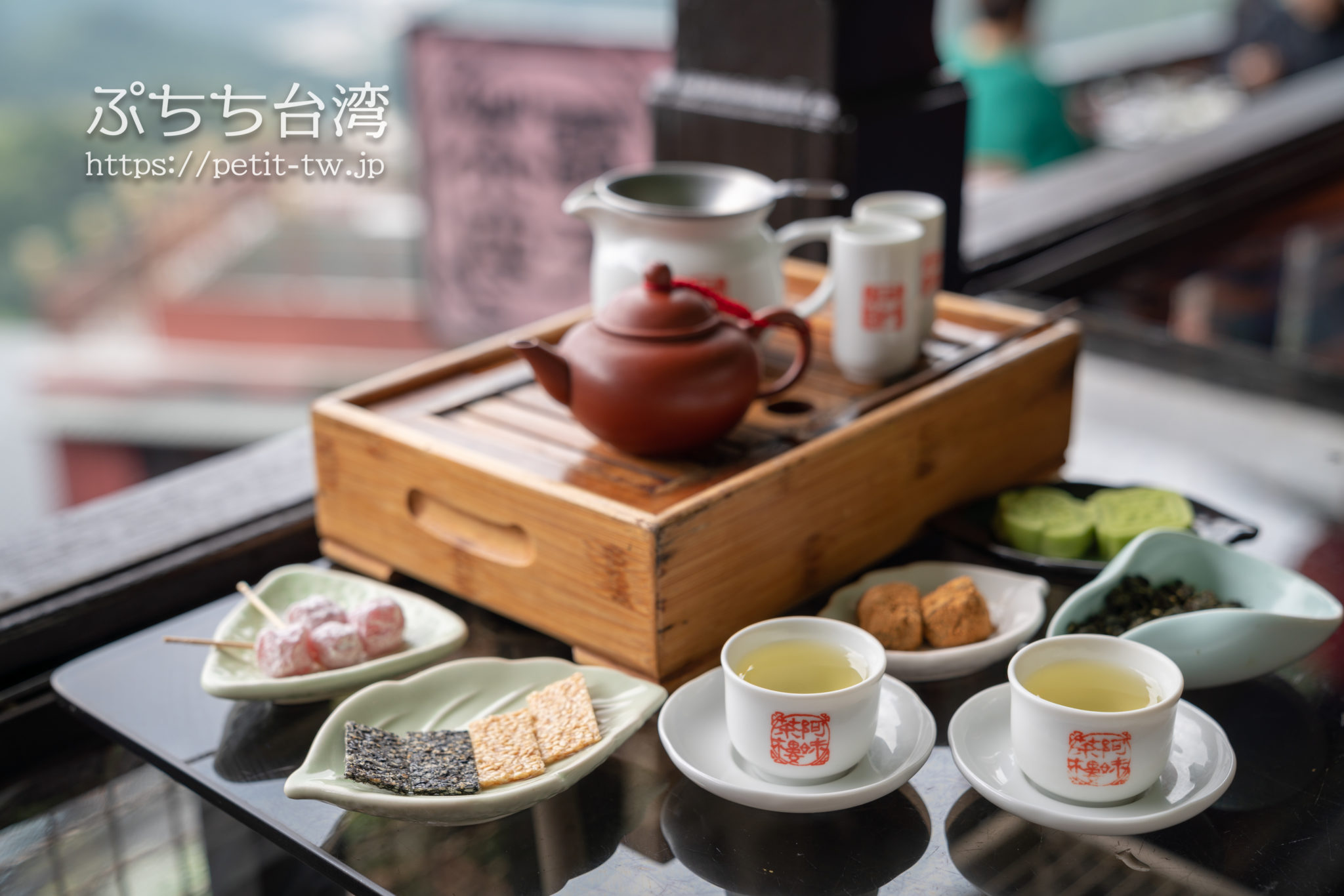
Taiwan produces some of the world’s finest tea, particularly from mountainous regions in Nantou, Chiayi, and Hualien. Taiwan as tea exporter dated back to 19th century. Traditional tea appreciation involves elaborate brewing methods using small pots or gaiwans, multiple infusions, and mindful attention to how tea evolves across brewings. The most celebrated Taiwan teas include Dong Ding oolong, Lishan high-mountain oolong, Oriental Beauty (a naturally sweet oolong), Red oolong, and Wenshan Baozhong.
Tea houses provide spaces for traditional tea experiences, ranging from casual shops where you can taste and purchase teas to elaborate establishments offering full tea ceremonies. Some tea houses occupy historic buildings or garden settings, creating contemplative environments that contrast sharply with Taiwan’s typically bustling eating scenes.
For travellers interested in tea, several approaches work well. Tea-growing regions like Alishan offer tours where you can visit plantations, meet producers, and understand tea cultivation and processing. Taipei’s Maokong area, accessible by gondola, features numerous tea houses with mountain views. Alternatively, high-quality tea shops in major cities provide educational tastings without requiring travel to production areas.
Practical tea purchasing advice: buy from reputable shops rather than tourist-oriented outlets, which often sell mediocre tea at inflated prices. Good tea shops will allow you to taste before purchasing and can explain differences between varieties. Vacuum-sealed packages preserve freshness better for taking home. Expect to pay 400-1500 TWD per 150 grams for quality oolong, with exceptional teas commanding much higher prices.
Hand-Shaken Drink Culture
Taiwan’s modern contribution to global tea culture is the hand-shaken drink, bubble tea being merely the most famous example, which has evolved into an extraordinarily sophisticated beverage industry. These drinks typically combine tea bases with milk, fruit, jelly, or tapioca pearls, customised according to individual preference.
The customisation options initially overwhelm many Western visitors. You’ll need to specify sugar level (typically in 25% increments from 0% to 100%), ice level (ranging from no ice to extra ice), and any additions (pearls, jelly, pudding). A reasonable starting point for most travellers is 50% sugar and regular ice, then adjust according to taste. Many Taiwanese people order 30% or less sugar, as 100% sugar levels can be overwhelmingly sweet to most palates.
The social role of hand-shaken drinks in Taiwan extends well beyond refreshment. Buying drinks has become a gesture of hospitality and friendship: visitors bringing drinks to gatherings, workers sharing rounds of drinks, couples buying drinks for each other. Understanding this social dimension helps you participate more fully in Taiwanese culture.