Street Food Culture
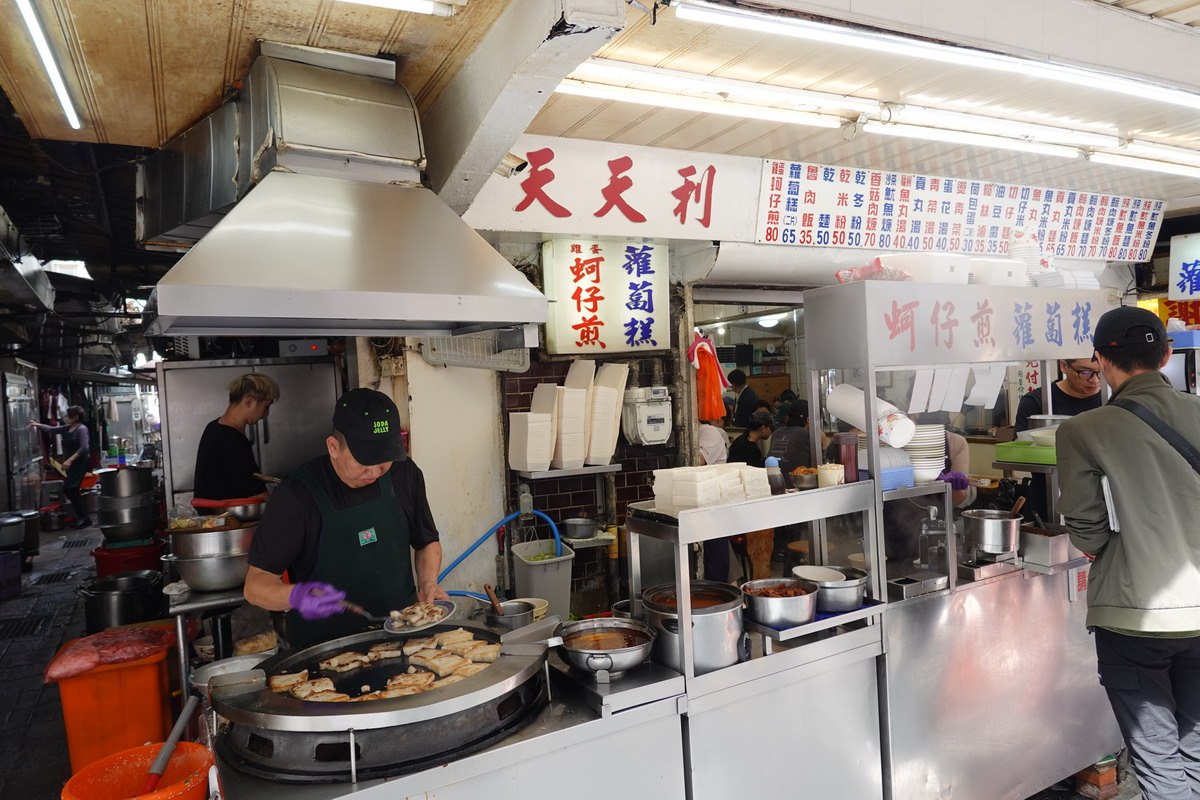
The concept of “street food” as Westerners typically understand it, such as food sold by mobile vendors or from temporary stalls on streets, exists in Taiwan but represents only one facet of the broader xiaochi culture. The distinction matters because many of Taiwan’s best food vendors operate from permanent, semi-permanent, or market locations rather than literally on streets.
The concept of xiaochi(小吃), literally “small eats”, sits at the heart of Taiwanese food culture and distinguishes it from most other Asian cuisines. Whilst dim sum in Hong Kong or tapas in Spain offer partial analogies, xiaochi represents something more fundamental: a culinary philosophy that elevates supposedly humble snacks and street foods to an art form worthy of obsessive refinement and passionate debate.
Xiaochi encompasses everything from a simple oyster omelette to more elaborate preparations like coffin bread or medicinal soups. What unifies these diverse offerings is their position: it could be either outside formal meal structures or treated as formal meal. You can eat xiaochi for a meal in a small stand, or you eat them opportunistically, following appetite and curiosity rather than convention. Many vendors specialise in just one or two xiaochi items, sometimes perfecting a single recipe across generations. This specialisation enables a level of refinement that makes the hunt for exceptional versions of basic dishes, like the perfect scallion pancake or the ideal stewed pork rice, a legitimate and rewarding pursuit.
For travellers, embracing xiaochi culture means abandoning conventional meal planning. The most satisfying eating experiences in Taiwan often involve following your senses through night markets or traditional districts, stopping for whatever looks compelling, eating until you’re merely interested rather than full, then continuing. This approach can feel chaotic initially, but it mirrors how many Taiwanese people actually eat and provides far richer experiences than attempting to plan formal restaurants meals.
Traditional wet markets host some of Taiwan’s most exceptional eating experiences. These covered market buildings combine produce vendors, meat and fish sellers, and prepared food stalls operating from fixed locations. The food vendors within markets often provide some of the best xiaochi available, benefiting from proximity to the freshest ingredients. Market eating typically happens during morning hours (6 AM to noon), and the format involves either eating at simple counters or taking food away.
Understanding the rhythms of street food helps you find the best experiences. Many celebrated vendors operate limited hours, sometimes selling only one meal period (breakfast, lunch, or dinner). Others operate only certain days. This limited availability often indicates quality; vendors who can sell out their production in a few hours have no incentive to extend hours. Researching operating hours beforehand prevents disappointment.
The social dimension of street food matters in Taiwan. Eating at street vendors or markets provides opportunities to observe local life in ways that restaurant dining doesn’t. You’ll see how Taiwanese people interact with vendors they’ve known for years, how families gather for breakfast at market stalls, how workers grab quick lunches. This observational aspect often proves as valuable as the food itself.